
Inspirational Words of Famous Freethinkers
Inspiration stems from life itself, as everything can inspire, and this page highlights notable freethinkers and the rich spiritual history of freethought.
We take comfort in knowing that Freethought has existed throughout human history. Here are examples of writings and sayings of several influential people we admire, who have helped us address our world with confidence.
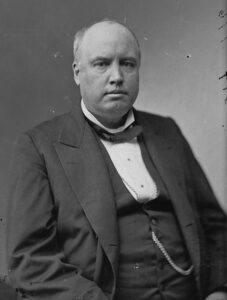
Robert Green Ingersoll was a prominent 19th century progressive, fearless agnostic, freethinker, prolific author, and the greatest American orator.
“A great man does not seek applause or place; he seeks for truth; he seeks the road to happiness, and what he ascertains, he gives to others.”
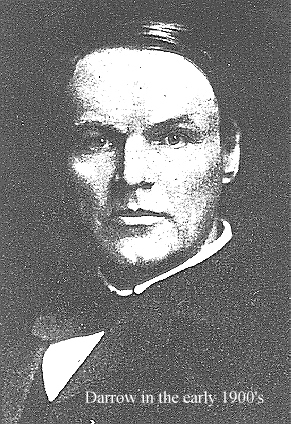
Clarence Darrow: How does one begin to explain this paradox, this sophisticated country lawyer, this hedonistic defender of the poor and downtrodden, this honest, devious man?
-"I do not pretend to know where many ignorant men are sure—that is all that agnosticism means".
- "I don't believe in God because I don't believe in Mother Goose".
- "The fear of God is the death of wisdom"
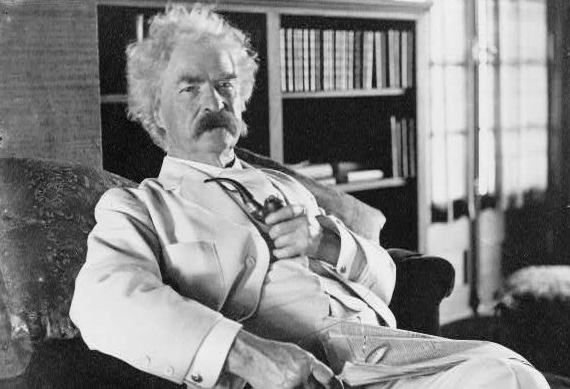
Mark Twain, the most famous American author during his life, was an outspoken critic of religion and human folly, and damn funny.
“So much blood has been shed by the Church because of an omission from the Gospel: ‘Ye shall be indifferent as to what your neighbor's religion is.’"
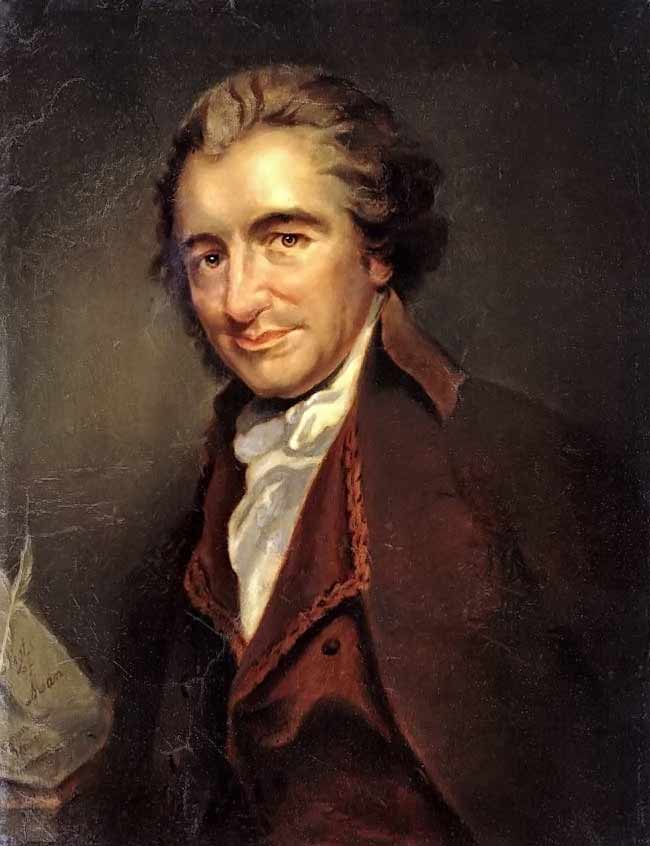
Thomas Paine, the "First American patriot," was a founding father, advocate for freedom and voice of the common man, who pledged his life to taking down political and religious idols.
"These are the times that try men's souls."
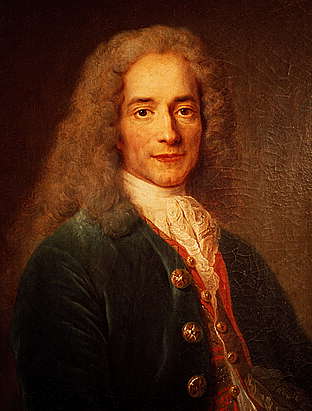
Voltaire: His birth-name François-Marie Arouet; he was a French writer, satirist, deist, the embodiment of the 18th-century Enlightenment, and a crusader against tyranny and bigotry.
“Common sense is not so common.”
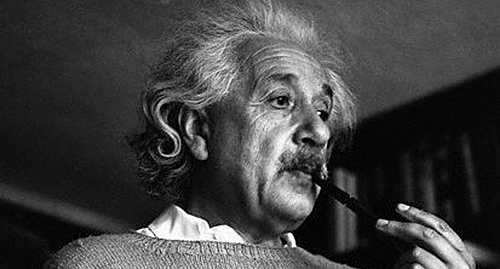
Albert Einstein did not call himself an atheist or even an agnostic, but rejected conventional religion and the idea of a personal God, and found a spirituality in the cosmos itself, the "God of Spinoza" as he said, a form of pantheism.
"The fairest thing we can experience is the mysterious. It is the fundamental emotion which stands at the cradle of true art and true science."
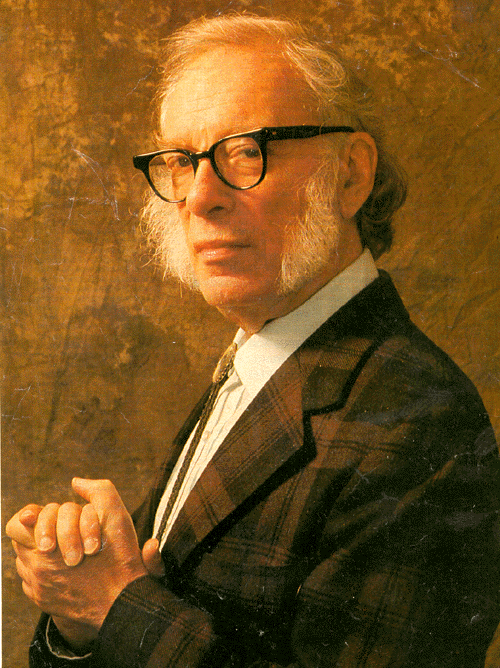
Issac Asimov a brilliant mind and Renaissance man, wrote over 500 books that enlightened, entertained, and spanned the realm of human knowledge, covering 9 of the 10 major categories of the Dewey Decimal System. He was an atheist, but deeply proud of his Jewish heritage.
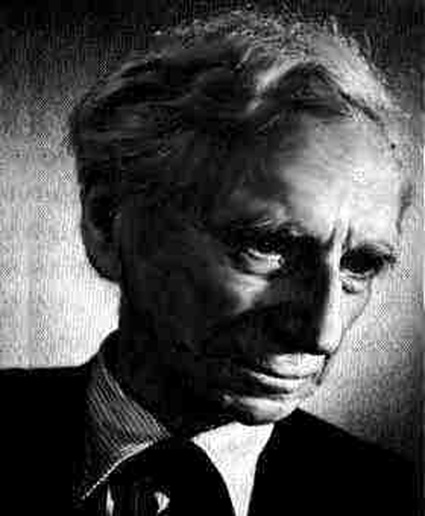
Bertrand Russell, the British philosopher, logician, essayist and social critic, advocate for human rights and social justice, founder of modern analytical philosophy, and known for his work in mathematical logic.
“In human affairs, we can see that there are forces making for happiness, and forces making for misery. We do not know which will prevail, but to act wisely we must be aware of both.”
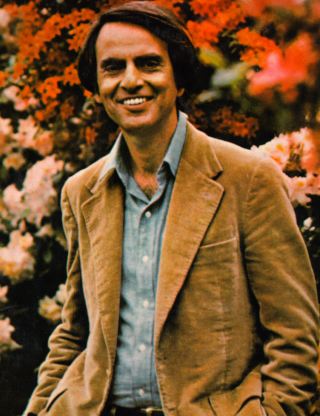
Carl Sagan, American astronomer and astrophysicist, science popularizer, skeptic and author, was an enthusiastic advocate for skeptical inquiry and the scientific method.
“The Cosmos is all that is or was or ever will be. Our feeblest contemplations of the Cosmos stir us -- there is a tingling in the spine, a catch in the voice, a faint sensation, as if a distant memory, of falling from a height. We know we are approaching the greatest of mysteries.”
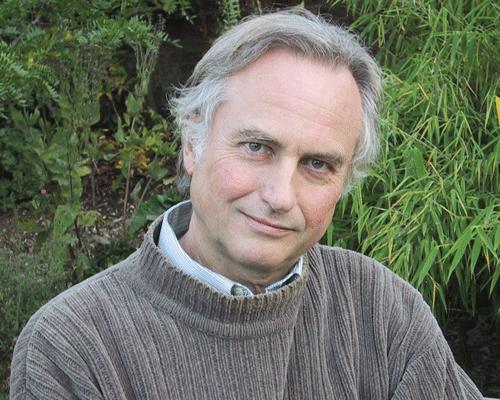
Richard Dawkins is a British evolutionary biologist, zoologist, science communicator and author. His book The Selfish Gene is a real stunner.
“By all means let's be open-minded, but not so open-minded that our brains drop out.”
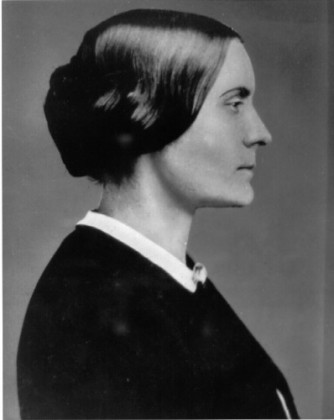
Susan Brownell Anthony, the near-legendary American civil rights leader, abolitionist and suffragist, born a Quaker, internalized many Quaker ideals but joined the Unitarian church, finding it more progressive and open to "hard questions" on faith.
-"I always distrust people who know so much about what God wants them to do to their fellows."
-"Men, their rights, and nothing more; women, their rights, and nothing less."
-"Trust me that as I ignore all law to help the slave, so will I ignore it all to protect an enslaved woman."
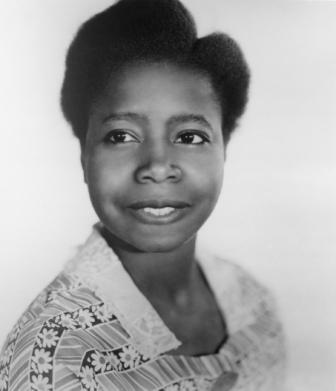
Butterfly McQueen, "I don't know nothin' 'bout birthin' babies!" Who can forget the words of maid Prissy from Gone With the Wind? The actress, Butterfly McQueen, was a confirmed atheist and a life member of the Freedom From Religion Foundation. She was honored as a "Freethought Heroine" in 1989 by the Freedom From Religion Foundation.
-"I'm an atheist... and Christianity appears to me to be the most absurd imposture of all the religions".
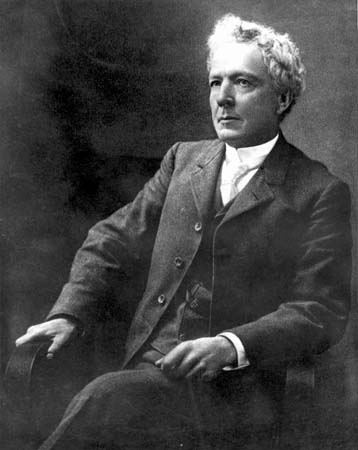
Luther Burbank, famed botonist, horticulturist and philanthropist, was a spiritual unbeliever who revered nature. Clergy called him an "infidel."
-“I am an infidel today. I do not believe what has been served to me to believe. I am a doubter, a questioner, a skeptic. When it can be proved to me that there is immortality, that there is resurrection beyond the gates of death, then will I believe. Until then, no.”
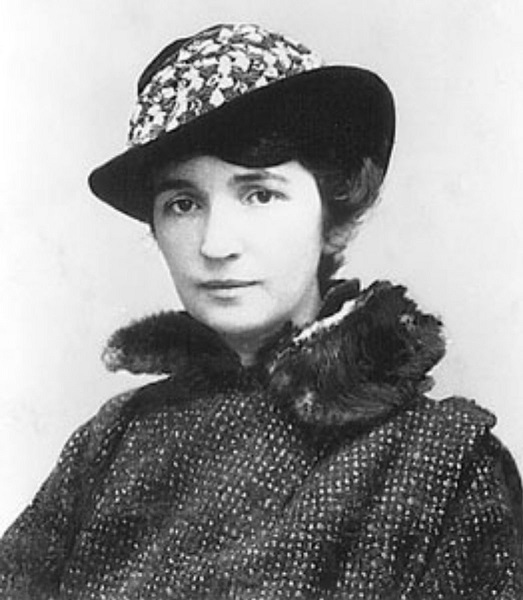
Margaret Sanger, American educator and feminist, and still a hot button to many, believed that women with access to birth control will be more likely to produce fit children. She did not support active euthenasia or eugenics.
-“No woman can call herself free who does not own and control her body. No woman can call herself free until she can choose consciously whether she will or will not be a mother.”
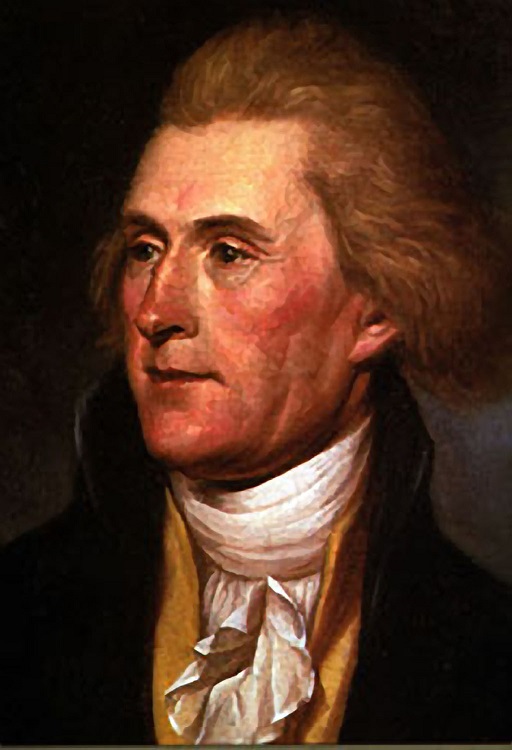
Thomas Jefferson needs no introduction, but less known is that he was a skeptical deist who amended the Gospels to omit all miracles. His letter to the Danbury Baptist Association makes clear the purpose of the First Amendment’s Establishment Clause:
“…legislature would ‘make no law respecting an establishment of religion, or prohibiting the free exercise thereof,’ thus building a wall of separation between Church and State.”
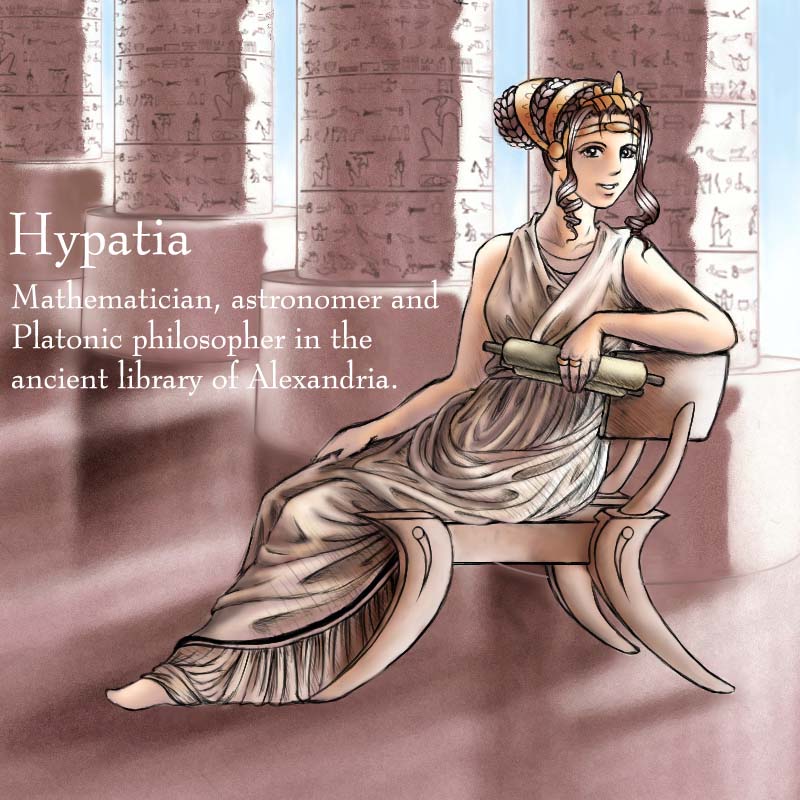
Hypatia (Greek, Ὑπατία), born circa AD 360, a freethinking pagan woman, taught in ancient Alexandria, incurred a bishop's jealously, and met a bloody end. "Revered Hypatia, ornament of learning, stainless star of wise teaching, when I see thee and thy discourse I worship thee, looking on the starry house of Virgo; for thy business is in heaven." -- Palladas, the Greek Anthology.